
Questions About Construction Insurance?
Talk with Harper Kranz about your construction projects, contractor operations, equipment, liability exposures, or other construction insurance needs and explore coverage solutions built around your business.
Construction Insurance Built Around the Way You Work
Construction businesses face risks that change from project to project. Contractors may be responsible for employees, vehicles, equipment, materials, jobsites, subcontractors and contractual obligations at the same time, making construction insurance more than a single policy decision.
Harper Kranz works with residential and commercial contractors to understand their operations, evaluate important exposures and help develop insurance programs around the work they actually perform. Coverage can be structured with consideration for the contractor, the project, valuable equipment and the liability exposures created by day-to-day operations.
Through Tidewater Insurance Agency, Harper helps construction clients review existing programs, prepare for new projects and evaluate coverage as their companies, contracts and equipment needs change.
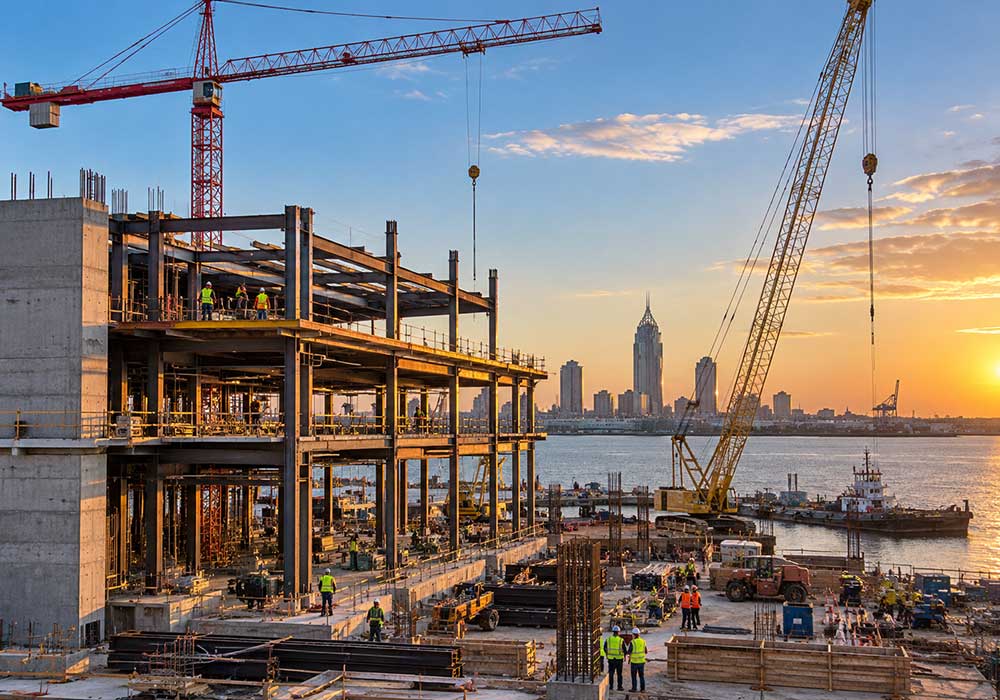
Protecting Contractors, Projects, Equipment & Operations
The right combination of coverage depends on the type of contractor, work performed, project requirements, equipment, vehicles, employees and contractual obligations involved in the operation.
General Liability
Liability protection is a core consideration for contractors whose work can create bodily injury, property damage and other third-party exposures at jobsites and during ongoing operations.
Builder's Risk
Builder's risk can help protect construction projects and covered property while work is underway. Project type, value, duration and contractual responsibilities can influence how coverage is structured.
Workers' Compensation
Contractors with employees face workplace injury exposures that can vary significantly by trade and jobsite activity. Workers' compensation is an important part of the broader construction insurance program.
Commercial Auto
Company trucks and other vehicles create exposures both on the road and as part of daily operations. Commercial auto coverage should reflect vehicle use, drivers and the work being performed.
Contractor Equipment
Tools, machinery and mobile equipment can represent a major investment and may move between multiple jobsites. Inland marine and equipment coverage can help address these mobile property risks.
Commercial Bonds
Contractors may encounter bid, performance, payment, maintenance, license and permit bonding requirements when pursuing projects or satisfying contractual obligations.
Construction Risk Extends Beyond the Jobsite
A contractor's insurance needs are influenced by more than the project being built. The company's employees, fleet, equipment, contracts, subcontractor relationships and the size and complexity of its projects can all affect the overall risk profile.
Project & Jobsite Exposures
Active jobsites can involve property, materials, equipment, employees, subcontractors and members of the public. The scope and value of the work can significantly change the exposures involved.
Contract Requirements
Construction contracts frequently contain insurance requirements, liability limits, bonding obligations and other risk-transfer provisions that should be understood before work begins.
Tools & Heavy Equipment
Construction equipment may be expensive, mobile and exposed to loss at jobsites, during transport or while stored between projects. Coverage should reflect where and how that equipment is used.
Subcontractor Relationships
General contractors and subcontractors can create interconnected exposures. Insurance requirements, certificates and contractual responsibilities are important considerations when evaluating the overall program.
Completed Operations
Liability does not necessarily end when a project is finished. Claims associated with completed work can arise after a contractor has left the jobsite, making completed-operations exposure an important consideration.
Growth & Larger Projects
As a contractor takes on larger jobs, adds employees, purchases equipment or expands geographically, insurance limits and program structure may need to evolve with the business.
Start With the Contractor, Not the Policy
Construction companies can look similar on paper while having very different exposures in the field. A residential contractor, general contractor, specialty trade contractor and heavy commercial operation may each require a different insurance approach.
Understanding the work performed, project values, equipment, employees, vehicles and contractual requirements provides a better foundation for evaluating coverage and identifying potential gaps.
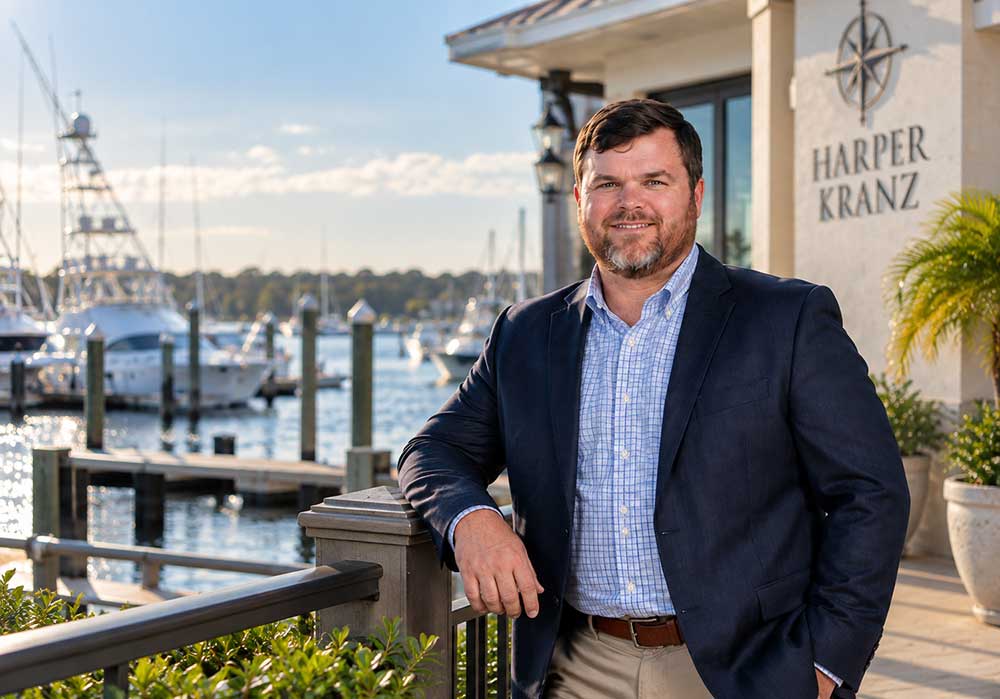
Discuss Your Construction Insurance Needs
Whether you are reviewing an existing contractor insurance program, preparing for a new project, purchasing equipment or taking on larger contracts, talk with Harper Kranz about your construction insurance needs and risk exposures.
Contact Harper Kranz